Creative Burnout: Why Artists & Creatives Burn Out (and How Therapy Can Help)
I have said it once, and I will probably say it till I am blue in the face: for many artists, creatives, and entertainers, creativity is more than a job—it’s part of who they are. Creating is meaningful, energizing, and deeply personal. However, when creativity becomes tangled with pressure, financial stress, rejection, and self-doubt, it understandably can also become exhausting, overwhelming, and even dread inducing.
Many creatives at some point experience something known as:
creative burnout - a state of emotional, mental, and creative exhaustion that makes it difficult to feel inspired or connected to their work.
Creative burnout is incredibly common among musicians, writers, actors, painters, designers, performers, and other creative professionals. Still, many artists feel shame when it happens, assuming that something is wrong with them when it happens. In many ways I have made it my mission to say that burnout can be a stress response to the unique pressures of creative careers, not a lack of talent, passion, or discipline.
What Does Creative Burnout Look Like?
Creative burnout can develop gradually, which means many artists do not recognize it right away. Creative blocks also can accompany burnout. In many cases, these blocks are not a lack of creativity but instead a signal that the mind/body needs rest and support.
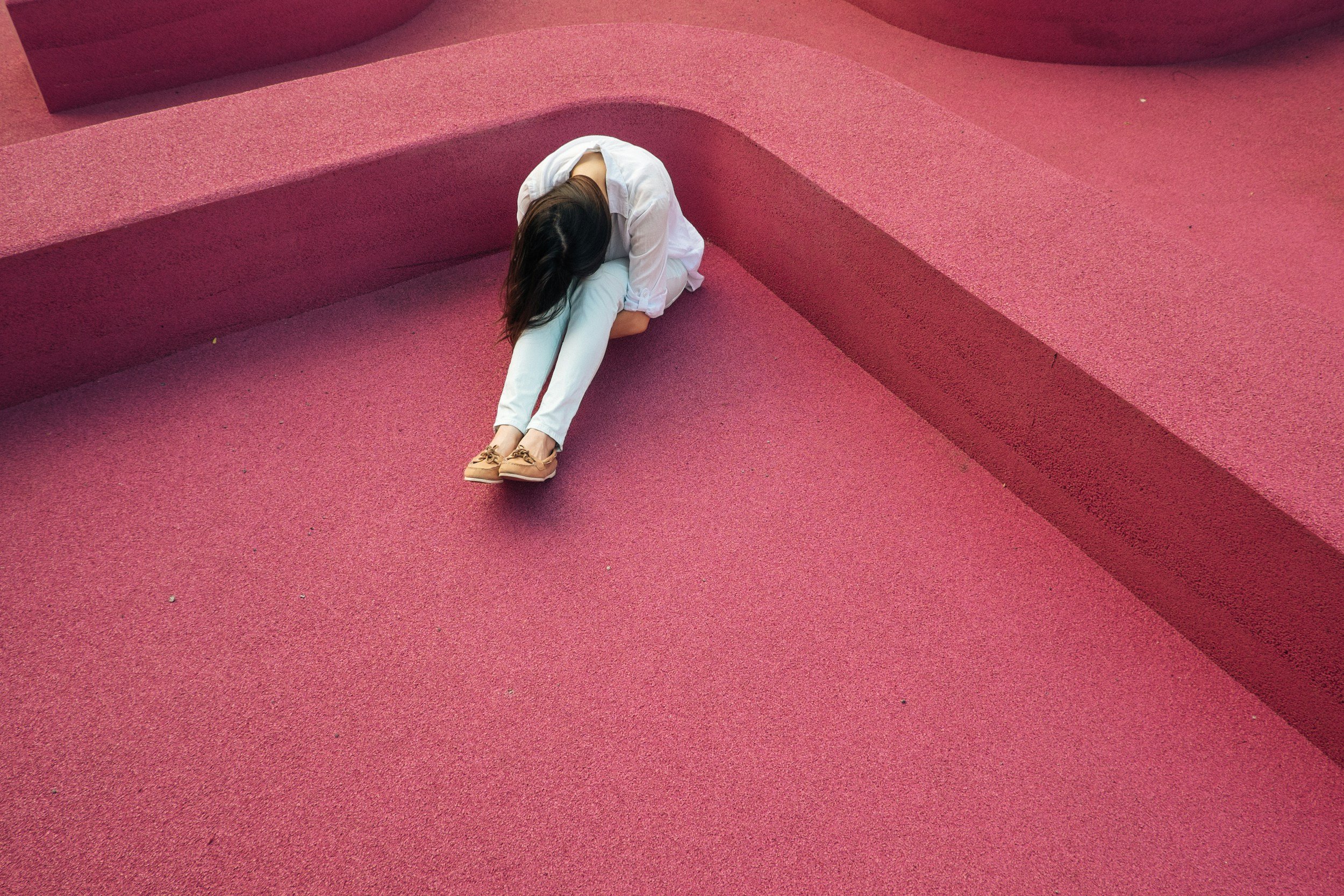
Some other warning signs:
Feeling emotionally drained by creative work
Increased self-criticism or perfectionism
Difficulty starting or finishing projects
Anxiety about sharing work
Feeling disconnected from their artistic voice
Losing the joy in their work
Why Are Artists Especially Vulnerable to Burnout?
Creative burnout does not happen simply because artists and creatives work hard. It often develops because creative careers involve several unique psychological and emotional challenges.
1) Rejection and Uncertainty
Many creative fields involve frequent rejection: auditions that don’t lead to roles, submissions that go unanswered, projects that fall through. Even talented and successful artists experience long periods where their work isn’t recognized or financially rewarded. Over time, this uncertainty creates chronic stress and self-doubt.
2) Work As Your Identity
For many people, work is something they do. For creative professionals, it is something they are. Because creativity is deeply personal and vulnerable, criticism and rejection can also feel like a rejection of yourself. This emotional intensity can make creative work both meaningful and draining.
3) Financial Instability
Freelance work, irregular income, and the pressure to constantly search for opportunities can create ongoing stress. Many artists feel they can not step away or slow down, even when they are exhausted, because their career depends on constant momentum. We know from Maslow’s Hierarchy of Needs, that we as humans crave and need stability, understandably when it is threatened, our wellbeing goes down.
4) Perfectionism
Perfectionism is extremely common among creative professionals. While high standards can support artistic growth and be helpful, perfectionism often leads to self-criticism, fear of sharing work, difficulty finishing projects, and insecurity. Over time, this added internal pressure and negative self-talk can drain creative energy and motivation.
5) The Pressure to Always Be Creative
Artists are often told they should always be creating, producing, and improving. However, creativity naturally moves in cycles, ups and downs. Periods of inspiration are often followed by the need for rest, reflection, and self-care. When artists push themselves to stay productive without understanding those natural cycles, creative burnout becomes much more likely or even inevitable.
How Can Artists Recover From Creative Burnout?
I admit I was tempted to turn this into two blogs (as it was getting lengthy), but it also feels good to get to how to actually solve this problem! The good news I have is that burnout does not mean you have lost your creativity permanently. Many artists rediscover their creative energy when they give themselves space to recover. In many cases, it simply means your creative system has been under strain for too long. With the right self-care, many creatives can rediscover their creative energy, developing a deeper, more sustainable relationship with their work.
Rest and Creative Recovery-Creativity requires emotional and mental energy. Taking time away from producing, performing, or promoting work can help restore that energy. Not all self-care is equal though, so building a self-care plan that really nourishes you is important.
Reconnecting With Creativity Without Pressure-Some artists find it helpful to reconnect with creativity in ways that feel playful or private, such as sketching, journaling, improvising, or experimenting with new mediums. When creativity is separated from evaluation and career pressure, inspiration often begins to return.
Addressing the Emotional Side of Creativity-Creative work can bring up vulnerability, fear of judgment, self-doubt, and perfectionism. Exploring these emotional experiences, sometimes even just acknowledging them, can make it easier to reconnect with creative expression in a healthier way.
Therapy for Artists and Creative Professionals-Many artists find that therapy provides a supportive space to process the emotional challenges of creative work. Working with a therapist who understands creative careers can help artists navigate things like creative burnout, imposter syndrome, perfectionism, and more. Therapy can help restore not only emotional wellbeing, but also a healthier relationship with creativity and your career for the long term. Of course I am biased towards the benefits of therapy, but we acknowledge the importance of cross training in athletes, one day I predict we will see therapy as the cross-training for athletes! You heard it here first!